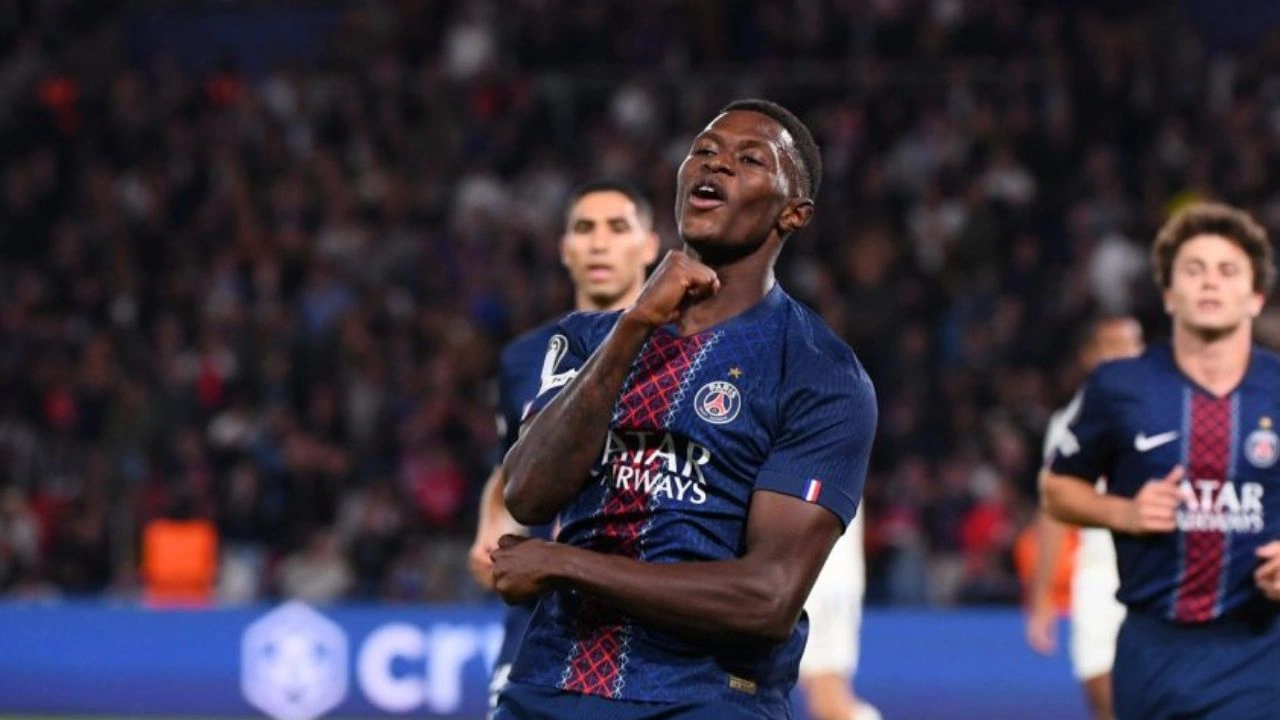
Sporting vs PSG: Sporting and Paris Saint-Germain reveal their starting elevens as two ambitious sides prepare for a defining European night.
European football nights are rarely short of drama, but when Sporting CP and Paris Saint-Germain meet, expectations rise even higher. With both clubs unveiling their confirmed lineups ahead of kickoff, anticipation has reached a fever pitch as fans, analysts, and neutrals prepare for a tactical duel between contrasting football philosophies.
This match is not merely a group-stage fixture or a routine continental encounter. It is a meeting of tradition and modern ambition, of structured Portuguese discipline against the attacking flair and star power of France’s dominant force. The confirmed lineups offer a first glimpse into how both managers intend to shape the narrative of the evening.
From selection surprises to tactical signals, the starting elevens tell a story even before the first whistle blows.
The Context: Why This Match Matters
Sporting and PSG enter this contest with ambitions that stretch far beyond ninety minutes.
For Sporting CP, this is an opportunity to reaffirm their growing reputation as one of Portugal’s most technically disciplined and tactically intelligent sides. Hosting or facing PSG on a European stage brings not only prestige but also a chance to collect crucial points that could define their continental campaign.
For Paris Saint-Germain, every European match carries heavy expectations. As perennial title contenders, PSG approach each fixture with the burden of history and the hunger to finally convert domestic dominance into European glory.
This match, therefore, represents a test of identity for both clubs — one seeking validation, the other seeking redemption.
Read Also: Chiefs Reunite with Eric Bieniemy as Offensive Coordinator: A Strategic Reset for Kansas City
Sporting CP: Confirmed Starting XI and Tactical Shape
The sporting manager revealed a lineup that reflects both balance and bravery.
Goalkeeper and Defensive Structure
In goal, Rui Silva was entrusted with the responsibility of guarding the net. Known for his composure and shot-stopping ability, Silva’s role will be vital against a PSG attack stacked with pace and creativity.
The defensive line featured a blend of experience and youthful energy:
- Matheus Reis offered versatility and strength on the left.
- Gonçalo Inácio, a rising star in Portuguese football, anchored the defense with intelligence and anticipation.
- Iván Fresneda and Ricardo Mangas completed the back line, providing width and defensive cover.
This unit reflects Sporting’s emphasis on structured defending, compact spacing, and disciplined pressing.
Midfield Trio: Control and Creativity
In midfield, Sporting selected a trio designed to balance defensive stability with attacking progression:
- Hidemasa Morita acted as the central anchor, shielding the defense and recycling possession.
- João Simões provided energy and pressing intensity.
- Maximiliano Araújo added creativity, tasked with linking midfield and attack.
This combination suggests Sporting’s intention to contest possession rather than sit back, an ambitious approach against a side like PSG.
Attack: Pace, Movement, and Finishing
Up front, Sporting’s attacking trio promised fluid movement and unpredictability:
- Luis Suárez led the line as the central striker, expected to hold up play and attack crosses.
- Geny Catamo and Francisco Trincão operated from wide positions, offering pace, dribbling, and diagonal runs into the box.
The front line’s design hints at Sporting’s plan to exploit spaces behind PSG’s fullbacks and attack quickly on transitions.
Paris Saint-Germain: Confirmed Starting XI and Strategic Intent
PSG’s lineup revealed both star quality and tactical evolution.
Goalkeeper and Defensive Core
In goal, Lucas Chevalier was selected ahead of other options, signaling the manager’s trust in his distribution and composure under pressure.
The defense included:
- Nuno Mendes at left-back, providing speed and attacking overlap.
- Willian Pacho and captain Marquinhos formed the central partnership, combining physical presence with leadership.
- A disciplined right-back tasked with balancing defensive duties and forward runs.
This defensive structure reflects PSG’s effort to improve stability — an area that has haunted them in previous European campaigns.
Midfield Engine Room
The PSG midfield was built around youthful energy and technical excellence:
- Warren Zaïre-Emery, one of Europe’s brightest young talents, operated as a box-to-box force.
- Fabián Ruiz added composure and passing range.
- Vitinha provided creativity, tasked with dictating tempo and unlocking Sporting’s defensive lines.
This trio suggests PSG’s desire to dominate possession while maintaining defensive balance.
Attack: Speed, Flair, and Finishing Power
In attack, PSG unleashed a trio designed to overwhelm defenses:
- Bradley Barcola offered pace and directness from the flank.
- Ousmane Dembélé, one of the most unpredictable wingers in Europe, brought dribbling and chance creation.
- Désiré Doué, the young attacking sensation, rounded out the front line with intelligence and movement.
Notably, this lineup reflects PSG’s evolving identity — less dependent on individual superstars and more focused on collective dynamism.
Bench Strength and Tactical Flexibility
Both managers named benches loaded with options capable of changing the game.
Sporting’s substitutes included energetic midfielders and attacking alternatives who could inject pace late in the match or reinforce defensive solidity.
PSG’s bench featured experienced internationals and emerging prospects, offering flexibility to shift formations, increase attacking firepower, or protect a narrow lead.
In matches of this magnitude, substitutions often decide outcomes, and both sides appear well-equipped in that department.
Tactical Battle: Contrasting Philosophies Collide
The confirmed lineups reveal a fascinating tactical contest.
Sporting’s Game Plan
Sporting are expected to:
- Maintain compact defensive lines to deny PSG space between the lines.
- Press selectively rather than relentlessly, conserving energy for transitions.
- Attack through quick wide play, exploiting Trincão and Catamo’s pace.
- Target set-pieces as a potential source of goals.
Their strategy centers on discipline, structure, and opportunism.
PSG’s Approach
PSG, by contrast, will aim to:
- Control possession through midfield dominance.
- Stretch Sporting’s defense with wide attackers and overlapping fullbacks.
- Use quick interchanges and dribbling to create numerical advantages in the final third.
- Press high to recover the ball quickly after losing possession.
The match promises a classic battle between organized defense and fluid attacking play.
Key Individual Matchups to Watch
Several head-to-head duels could shape the outcome.
Gonçalo Inácio vs Ousmane Dembélé
Inácio’s positioning and anticipation will be tested by Dembélé’s explosive dribbling. Limiting his space could be crucial for Sporting.
Warren Zaïre-Emery vs Hidemasa Morita
This midfield duel may decide control of the game. Zaïre-Emery’s dynamism against Morita’s discipline promises an intriguing contest.
Luis Suárez vs Marquinhos
Suárez’s physical presence against Marquinhos’ leadership and timing could determine Sporting’s ability to hold the ball in advanced areas.
Historical and Competitive Background
Sporting and PSG have crossed paths rarely in competitive football, adding an element of novelty to this encounter.
PSG’s European history is filled with near misses and dramatic collapses, fueling their determination to rewrite the narrative.
Sporting, meanwhile, carry the pride of Portuguese football and a tradition of producing technically gifted players who thrive on continental stages.
This match represents another chapter in the ongoing dialogue between established giants and ambitious challengers.
What This Match Means for the Group and Tournament
The result of this game could have far-reaching consequences.
A Sporting victory would:
- Strengthen their position in the group.
- Send a message that they are genuine contenders.
- Boost confidence for upcoming fixtures.
A PSG win would:
- Reinforce their status as favorites.
- Provide momentum for the knockout stages.
- Ease pressure on the squad and coaching staff.
Even a draw could reshape qualification scenarios and increase tension heading into the final rounds.
Fan Expectations and Atmosphere
Supporters on both sides approach this game with excitement and nerves.
Sporting fans dream of a famous European night, hoping to witness their team outplay one of the continent’s elite.
PSG supporters, accustomed to high standards, expect authority, control, and ultimately victory.
The atmosphere, whether in Lisbon or Paris, promises intensity, passion, and unforgettable moments.
Read Also: Warriors Fall to Raptors 145–127 Despite Big Nights from Buddy Hield and Kuminga
Predicted Game Flow and Possible Scenarios
The early minutes are likely to set the tone.
If PSG score early, they could force Sporting into a more open game, creating space for counterattacks and additional goals.
If Sporting remain compact and strike first, the pressure could shift dramatically onto PSG, exposing lingering doubts from past European disappointments.
Late goals, tactical substitutions, and set-pieces may ultimately decide the contest.
Conclusion: A Night of Tactical Chess and European Drama
With lineups confirmed and anticipation soaring, Sporting vs PSG stands as one of the most intriguing fixtures of the European calendar.
It is a clash of youth and experience, discipline and flair, ambition and expectation.
Whatever the final score, this match promises ninety minutes of high-level football, strategic intrigue, and moments that could echo throughout the tournament.
For fans of the beautiful game, it is an occasion not to be missed.