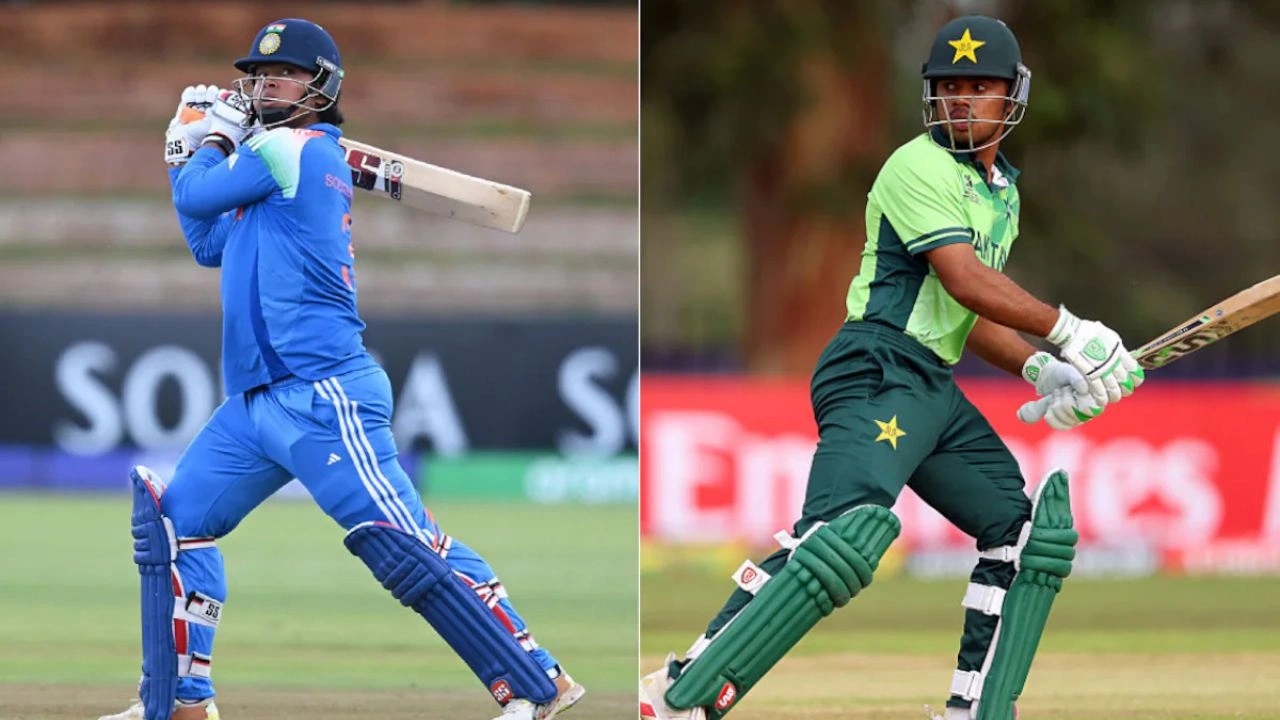
India vs Pakistan: Few sporting rivalries carry the weight, history, and raw emotion of India versus Pakistan. When this contest unfolds at the Under-19 level, it becomes even more fascinating. Young players, many experiencing the pressure of a global audience for the first time, step into a spotlight that can shape their careers forever. The India vs Pakistan U19 encounter at the 2026 ICC Under-19 Men’s Cricket World Cup was exactly that kind of moment—intense, dramatic, and packed with lessons about temperament, talent, and the future of international cricket.
Held in Zimbabwe, this Super Six Group match wasn’t just another fixture on the calendar. It was a statement game, watched closely by fans, former cricketers, and selectors alike. From the early build-up to the final passages of play, the contest delivered everything expected from the most storied rivalry in world cricket.
Setting the Stage: Why This Match Mattered
The ICC Under-19 Cricket World Cup has long been regarded as the breeding ground for future international stars. Legends such as Virat Kohli, Babar Azam, Steve Smith, Kane Williamson, and Joe Root all announced themselves on this very stage before conquering senior cricket.
In the 2026 edition, India arrived as five-time champions, carrying the confidence of a system renowned for producing technically sound and mentally strong cricketers. Pakistan, two-time winners, came in with their traditional strengths—unpredictable flair, natural pace bowling, and fearless batting.
Placed in the Super Six stage, this match had direct implications for semi-final qualification. A win would almost guarantee momentum and belief heading into the knockout rounds, while a loss would mean a tougher road ahead.
Venue and Conditions: Queens Sports Club, Bulawayo
The match took place at the historic Queens Sports Club, one of Zimbabwe’s most respected cricket venues. Known for its balanced pitches, the ground often rewards disciplined bowling early on while allowing stroke-play once batters settle.
Conditions on match day were typical of Bulawayo—clear skies, mild temperatures, and a surface offering just enough assistance to seamers in the first few overs. Captains knew that winning the toss and making the right decision could be crucial.
Pre-Match Build-Up: Pressure on Young Shoulders
The anticipation around the match was enormous. Despite being an Under-19 contest, global viewership rivalled that of some senior international games. Social media buzzed with discussions about team combinations, key players, and tactical match-ups.
For India U19, the focus was on consistency. Their campaign leading up to this match had been built on disciplined bowling and strong top-order performances. Pakistan U19, meanwhile, were seen as the X-factor team—capable of brilliance or collapse, sometimes within the same session.
Coaches from both sides emphasized calmness and execution. “Treat it like any other match,” was the repeated message, though everyone knew this fixture was anything but ordinary.
Toss and Early Strategy
When the toss took place, the decision reflected modern limited-overs thinking. With conditions expected to remain steady, the captain winning the toss opted to set the tone early—either by putting runs on the board or by testing young batters under pressure with the new ball.
Opening bowlers were handed immediate responsibility. In youth cricket, the first 10 overs often dictate the flow of the game, and both teams knew early breakthroughs could tilt momentum dramatically.
First Innings: Discipline vs Flair
A Cautious Start
The opening phase of the innings was marked by nerves and caution. Batters focused on rotating strike, avoiding unnecessary risks. Bowlers, on the other hand, stuck to tight lines, aware that a single mistake could be punished.
India’s bowling attack showcased structure—one end attacking the stumps, the other maintaining control. Pakistan’s top order responded with patience, choosing placement over power.
Middle-Overs Battle
As the innings progressed, the contest shifted into the crucial middle overs. This phase often separates good teams from great ones. Spinners came into play, testing footwork and shot selection.
Boundaries were hard-earned, and singles became gold. Fielding standards remained high, with sharp stops and athletic catches keeping run rates in check. The pressure forced batters to manufacture shots, leading to moments of brilliance as well as costly errors.
Late Acceleration
In the final overs, the intent changed. Batters looked to accelerate, while bowlers focused on variations—slower balls, yorkers, and wide lines. The closing stages added excitement, with quick runs and tense moments that kept fans on edge.
By the end of the innings, the total on the board felt competitive but not unassailable—a classic Under-19 World Cup score that left everything to play for.
Second Innings: Chase Under Pressure
A Measured Beginning
Chasing in a high-profile India vs Pakistan match is never easy, especially for teenagers. The opening batters approached the task with caution, respecting the bowlers and the occasion.
Early overs were about survival as much as scoring. Each run was celebrated quietly, each dot ball absorbed with focus.
Momentum Swings
As partnerships developed, confidence grew. One good over was often followed by a tight one, keeping the required run rate in constant flux. This back-and-forth rhythm defined the chase.
Bowlers were rotated smartly, with captains responding quickly to shifts in momentum. A wicket at the right time could change everything, and both sides sensed it.
The Pressure Cooker Final Phase
The final 10 overs turned the match into a true pressure cooker. Fielders were brought inside the ring, bowlers dug deep, and batters faced the ultimate test of temperament.
Every misfield, every appeal, and every near-miss drew loud reactions from the crowd. The atmosphere felt more like a senior World Cup knockout than a youth tournament game.
Key Performances That Stood Out
While cricket is a team sport, certain individual efforts defined this match:
- Composed Top-Order Batting: One or two batters from each side showed maturity beyond their years, anchoring the innings when wickets fell around them.
- Smart Bowling Spells: Rather than raw pace, it was accuracy and variation that proved effective. Young bowlers who stuck to plans reaped rewards.
- Athletic Fielding: Several run-saving stops and sharp catches highlighted how modern youth cricket emphasizes all-round athleticism.
These performances will be remembered not just for their immediate impact, but for what they suggest about the players’ futures.
Tactical Lessons from the Match
Handling Big-Match Pressure
Perhaps the biggest takeaway was how pressure affects decision-making. Players who stayed calm and trusted basics performed better than those chasing glory shots.
Importance of Partnerships
Short, aggressive cameos had value, but steady partnerships proved far more important. Teams that built foundations were able to control the tempo.
Bowling at the Death
The closing overs once again showed why death bowling is such a prized skill. Young bowlers who nailed yorkers and slower balls stood out as future specialists.
Fans, Emotions, and the Spirit of the Rivalry
Despite the fierce rivalry, the match was played in good spirit. Players shook hands, applauded good performances, and respected umpires’ decisions. For many fans, this was a reminder that at the Under-19 level, development and sportsmanship remain central values.
Social media reactions poured in from both sides, praising the quality of cricket and the composure shown by teenagers handling immense expectations.
What This Match Means for the Tournament
The result of this clash had a significant impact on the Super Six standings. Momentum gained here often carries into the semifinals, shaping confidence and team combinations.
For the winning side, it was a boost of belief—a sense that they could handle the toughest challenges. For the losing team, it served as a learning experience, highlighting areas to refine before the knockouts.
Read Also: Al-Nassr vs Al-Kholood: Ronaldo & João Félix Shine in Statement Saudi Pro League Win
Looking Ahead: Future Stars in the Making
One of the greatest joys of watching the Under-19 World Cup is spotting future international players before they become household names. Several youngsters from this match will likely feature in senior leagues, domestic competitions, and eventually international squads.
Selectors will review this game closely—not just for runs and wickets, but for body language, adaptability, and leadership under pressure.
Conclusion: More Than Just a Match
The India vs Pakistan U19 Cricket World Cup 2026 encounter was more than a game of cricket. It was a showcase of emerging talent, mental strength, and the enduring power of a rivalry that transcends generations.
Played on Zimbabwean soil, watched by millions worldwide, and contested with intensity and respect, the match reaffirmed why youth cricket holds such a special place in the sport. For the players involved, it was a chapter they will remember for life. For fans, it was a glimpse into the future of one of cricket’s greatest rivalries—renewed, reimagined, and just as compelling as ever.
2 thoughts on “India vs Pakistan U19 World Cup 2026: Full Match Story & Key Moments”