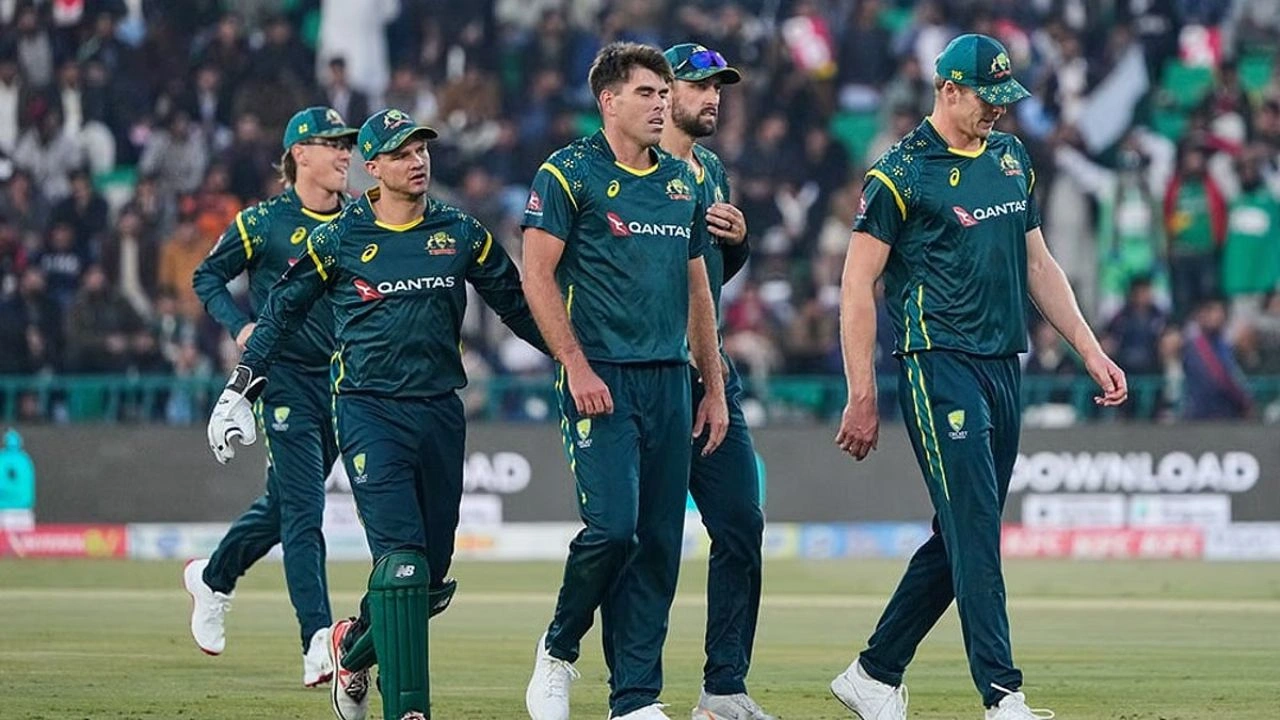
Australia vs Netherlands: Persistent rain in Colombo halted a key pre-tournament clash, forcing Australia and the Netherlands to rethink their final preparations ahead of the ICC Men’s T20 World Cup 2026.
The build-up to a global cricket tournament is usually defined by rhythm, refinement, and rising intensity. Warm-up matches serve as the final rehearsal—an opportunity for teams to test combinations, evaluate conditions, and enter the main event with clarity and confidence. Yet for Australia and the Netherlands, that vital rehearsal never truly began.
Their scheduled warm-up fixture in Colombo was abandoned without a single delivery bowled after relentless rain rendered the playing surface unfit. While washouts are not uncommon in cricket, the timing of this interruption—so close to the ICC Men’s T20 World Cup 2026—adds layers of strategic and psychological significance for both sides.
This article explores what the abandoned match means for Australia’s tournament readiness, how it affects the Netherlands’ momentum, the broader implications of weather disruptions in global tournaments, and what fans should expect as the World Cup approaches.
Warm-Up Matches: More Than Just Practice
To casual observers, warm-up fixtures may appear informal. Teams rotate players, experiment with tactics, and often prioritize preparation over results. But for professionals, these games are critical calibration tools.
Warm-ups help teams:
- Adjust to pitch behavior and local climate
- Finalize batting orders and bowling roles
- Assess match fitness under competitive pressure
- Build confidence and rhythm before the tournament
Losing such an opportunity—especially the final scheduled warm-up—can disrupt carefully planned preparation cycles. That is precisely the challenge now facing Australia and the Netherlands.
Colombo’s Rain: A Familiar Cricket Obstacle
Sri Lanka’s tropical climate has long been intertwined with cricket’s unpredictability. Sudden showers, heavy humidity, and lingering cloud cover frequently influence match schedules. Colombo, despite its iconic cricketing heritage, is no stranger to weather-related interruptions.
In this instance, persistent rainfall prevented even the toss from leading to meaningful play. Ground conditions never reached a safe standard, forcing officials to abandon the fixture entirely.
Such moments highlight one of cricket’s enduring truths:
Unlike many modern sports, cricket remains deeply vulnerable to nature.
Australia’s Preparation Setback
For Australia, the abandoned match carries particular weight. Entering a major ICC tournament, elite teams seek momentum and clarity. A final warm-up typically confirms:
- Preferred playing XI
- Death-overs bowling combinations
- Powerplay batting tempo
- Fielding sharpness under pressure
Without live match conditions, Australia must rely more heavily on training simulations and internal practice games—useful but not fully comparable to real competition.
Psychological Impact
Elite athletes thrive on routine. Interruptions close to tournament start dates can create:
- Uncertainty in selection decisions
- Reduced match-readiness confidence
- Greater pressure in opening fixtures
However, experienced teams like Australia also possess strong coping mechanisms. Their history in ICC tournaments shows an ability to adapt quickly despite imperfect preparation.
Leadership Response and Team Mindset
Australia’s leadership group responded with measured optimism rather than concern. Emphasis shifted toward:
- Maintaining training intensity
- Preserving player fitness
- Strengthening team communication
- Staying mentally flexible
This reaction reflects a broader championship mindset:
Preparation is important—but adaptability wins tournaments.
Netherlands: A Missed Opportunity for Momentum
For the Netherlands, the washout arguably carries an even deeper impact. Emerging cricket nations depend heavily on exposure against top teams. Warm-up matches provide:
- Real-time assessment of skill gaps
- Confidence-building competitive moments
- Tactical learning against elite opposition
Facing a powerhouse like Australia shortly before the World Cup could have delivered invaluable insights. Instead, the Dutch side must enter the tournament with fewer recent high-intensity match experiences.
Yet adversity can also sharpen focus. Associate and emerging teams often develop resilience through disruption, turning setbacks into motivation.
Tournament Preparation Without Match Play
When rain removes competitive preparation, teams adjust in several ways:
1. Simulation Training
Coaches recreate match scenarios:
- Target chases in practice nets
- Death-over bowling drills
- Fielding under timed pressure
While artificial, these exercises maintain decision-making sharpness.
2. Tactical Video Analysis
Teams deepen preparation through:
- Opposition pattern study
- Pitch history analysis
- Player-specific strategy planning
Modern cricket increasingly blends data intelligence with on-field instinct.
3. Fitness and Recovery Focus
Unexpected rest can be beneficial:
- Minor injuries receive extra recovery time
- Fast bowlers preserve energy for tournament matches
- Mental fatigue decreases before competition begins
Thus, what appears a setback may contain hidden advantages.
Weather Risk in Multi-Nation Tournaments
Rain disruptions raise broader structural questions about global tournaments.
Scheduling Complexity
ICC events span:
- Multiple countries
- Diverse climates
- Tight broadcast timelines
Building fully rain-proof schedules is nearly impossible.
Reserve Days Debate
Fans often call for reserve days in warm-ups, yet logistical realities intervene:
- Venue availability
- Travel schedules
- Broadcast commitments
Warm-ups typically remain non-recoverable fixtures.
Climate Trends
Increasing weather volatility worldwide suggests:
Rain interruptions may become more frequent in future tournaments.
Cricket administrators may eventually need new contingency models.
Australia’s Opening Match Pressure
Without warm-up match rhythm, Australia’s first tournament game becomes even more significant. Opening matches often determine:
- Early group standings momentum
- Net run rate positioning
- Psychological confidence
A strong start can erase preparation concerns instantly.
A slow start, however, may amplify scrutiny.
Australia’s tournament history suggests they understand this dynamic well.
Netherlands’ Opportunity Despite Disruption
While missing match practice is challenging, tournaments sometimes favor teams arriving underrated and under-analyzed.
For the Netherlands:
- Opponents possess less recent tactical data
- Players enter with fresh physical energy
- Team unity often strengthens after setbacks
Many historic World Cup surprises emerged from disrupted preparation phases.
Broader Narrative: Control vs Uncertainty in Sport
This abandoned match symbolizes a universal sporting theme:
The tension between meticulous preparation and uncontrollable reality.
Teams plan months in advance—training camps, analytics, fitness cycles—yet a single day of rain can reshape the narrative.
Great teams distinguish themselves not by perfect preparation, but by resilience when plans collapse.
Fan Perspective: Anticipation Intensified
For supporters, the washout creates mixed emotions:
- Disappointment at missing a preview contest
- Curiosity about unseen team combinations
- Heightened anticipation for tournament openers
In some ways, the absence of warm-up clarity makes the World Cup more unpredictable and exciting.
Lessons from Past Tournaments
History shows that warm-up performance rarely guarantees tournament success.
Examples across ICC events reveal:
- Teams losing warm-ups yet winning trophies
- Dominant warm-up sides exiting early
- Rain-affected preparations preceding historic runs
Thus, Australia and the Netherlands remain fully capable of strong campaigns despite disruption.
The Mental Game Before a World Cup
Elite tournaments are decided as much by mindset as by skill.
Key psychological factors now include:
- Handling uncertainty calmly
- Maintaining collective belief
- Avoiding overreaction to setbacks
- Entering matches with clarity and aggression
Teams mastering these elements often outperform technically superior opponents.
Read Also: New Zealand vs USA Warm-Up Match 2026: NZ Win Thriller by 7 Runs Before T20 World
Looking Ahead: What to Expect
From Australia
Expect:
- Tactical discipline
- Deep squad rotation strength
- Rapid adaptation once matches begin
Their championship pedigree rarely depends on perfect preparation.
From the Netherlands
Watch for:
- Fearless cricket
- Aggressive batting intent
- Opportunistic strategy against bigger teams
Disrupted preparation sometimes fuels bold tournament performances.
Conclusion: Rain Stops a Match, Not a Campaign
The abandoned warm-up in Colombo may seem like a minor pre-tournament footnote. Yet its implications stretch far deeper—touching preparation psychology, strategic readiness, and the unpredictable nature of cricket itself.
For Australia, the challenge is transforming lost preparation into focused intensity.
For the Netherlands, the task is turning missed opportunity into fearless belief.
As the ICC Men’s T20 World Cup 2026 begins, this rain-soaked non-match may fade from headlines. But the resilience it demands could quietly shape both teams’ journeys.
Because in global sport, one truth endures:
Championships are not won by perfect preparation—they are won by teams who adapt when perfection disappears.
2 thoughts on “Australia vs Netherlands Warm-Up Match 2026 Washed Out by Rain Before T20 World Cup”